Chapter Thirty-Nine
Working With a Plumber
Part Eight: Old Pipes, New Work
By the editors of this book. Sources checked November 2, 2026.
To hire a plumber, confirm the license with your state or county, get several written bids, and sign a contract that spells out the work, the price and the dates. That is the core of the FTC's advice on home improvement, and it works as well for a water heater as for a new roof.1 Most plumbers are honest people doing hard work, and these habits also protect them from misunderstandings. The rest of this chapter fills in the details.
39.1 When do you really need one?
Sooner than some books say. Chapter 2 draws the line between homeowner work and licensed work. Gas lines, water heater venting and gas connections, service lines, sewer laterals and permitted work are for licensed people. So is anything you tried that made things worse.
Some calls cannot wait for three bids. With a burst pipe, use the main shutoff first as Chapter 29 says, then call whoever can come. Every drain backing up at once is the same kind of call, covered in Chapter 20. For the rest, you have time to do it properly, and taking that time is most of what this chapter advises.
39.2 How do you check a license?
Ask your state or county. The FTC says to consider only contractors who are licensed and insured, to confirm the license with your state or county, and to ask for proof of insurance.1 We will not tell you what your state requires, because the rules differ and they change. Your state or county licensing office can tell you what license applies to the work and whether a given number is real and current.
For recommendations, the FTC says to start with people you know and trust.1 Ask them what the job was, whether the plumber turned up when promised, and whether the price held.
39.3 What makes a good bid?
Get several, in writing, each describing the work, the materials, the price and the completion date.1 Give each plumber the same description of the job, or the numbers will mean little. If the bids differ widely, ask why. The FTC also warns against automatically choosing the lowest bidder.1 A low bid can mean a thinner scope, cheaper materials, or simply a slower week, and only asking will tell you.
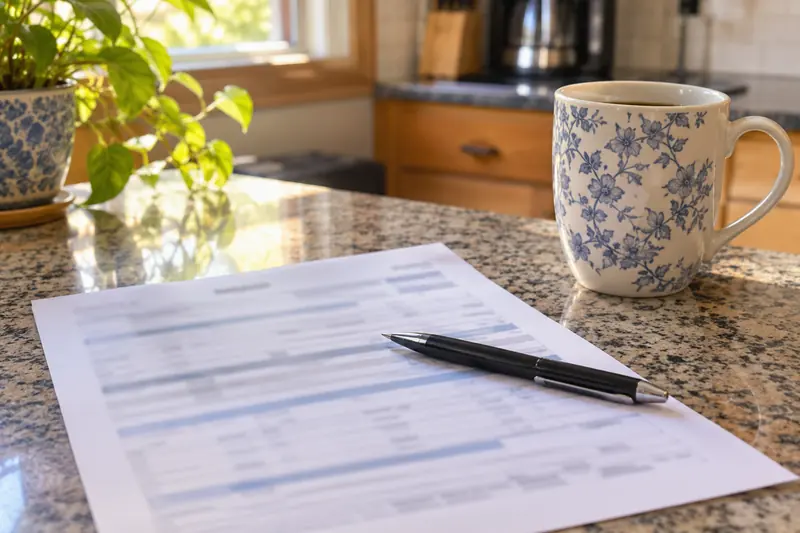
Figure 39.1 is what you want to end up with. Lay the bids side by side and read them line by line. See whether each one covers permits, the removal of old equipment and repairs to any wall that gets opened. A page that says only "fix plumbing" and a number is not a bid.
39.4 What belongs in the contract?
The FTC is specific about this.1 Before you sign, go through the paper with this list beside you.
- Check for the contractor's name, address, phone number and license number.
- Check for a clear description of the work and the materials.
- Check for the price and the payment schedule.
- Check for estimated start and completion dates.
- Have anything promised out loud written in.
- If you signed at home, look for a written statement of your right to cancel within three business days.
- Keep a signed copy.
The cancellation right applies to contracts signed at home, or somewhere other than the seller's permanent place of business.1 It is worth knowing about because a contract signed in the kitchen is when people feel most hurried.
39.5 How should you pay?
Do not pay it all up front. Some states limit how much a contractor can ask for as a down payment, so ask your state or county what applies. Hold the final payment until the work is done and you are satisfied with it.1 If the job needs a final inspection, as every permit does in Portland, Oregon, ask that the last payment wait for it.2
39.6 What are the warning signs?
The FTC lists pressure to decide immediately, and demands for payment up front or in cash only.1 It also warns about people who come to the door. Someone who happened to be in the neighborhood and noticed a problem with your line deserves extra care, however pleasant. A contractor who asks you to get the required building permits yourself is another reason for caution.1
| Things you want to hear | Things to be careful about |
|---|---|
| "Here is my license number." | "You don't need a license for this." |
| "I'll put that in writing." | "We don't really need a contract." |
| "Take your time, compare it with the others." | "This price is only good today." |
| "I'll pull the permit." | "You get the permit, it's easier." |
| "A deposit, then payments as we go." | "Cash, all of it, up front." |
39.7 What should you tell the plumber?
Good information saves money, and sometimes it keeps someone from getting hurt. Say what happened, when it began, and whether anything changes it. Say where your main shutoff is, or that you could not find it. Above all, say whether you have poured anything into a drain. As Chapter 18 explains, a plumber needs to know what is in there before opening it up, since bleach with drain openers can release toxic gases.3
Also say what you know about your pipes, if you have done the walk in Chapter 37. A photo on your phone can do a lot of the explaining. Ask to see the old part when it comes out, and ask what caused the failure.
To see how a local firm sets out its services, look at Central Plumbing's plumbing services page (Central Plumbing has the same owners as this book). Central Plumbing is a plumbing company in Bucks and Montgomery County, Pennsylvania, and it is of direct use only to readers there. Elsewhere, take it as an example of what a plain description looks like when comparing firms near you. This is one example and not a recommendation over anyone else.
Where the line falls
- Yours to do
- Describing the job clearly; confirming a license with your state or county; asking for proof of insurance; comparing written bids; reading the contract; holding the final payment until you are satisfied
- For a licensed pro
- The licensed work itself; any permit the job needs, pulled by the person doing it; gas, venting, service line and sewer lateral jobs, which should never fall to whoever is cheapest that day
Notes
- Federal Trade Commission, "How To Avoid a Home Improvement Scam." consumer.ftc.gov ↩
- City of Portland, Oregon, "Residential Plumbing Permits." portland.gov ↩
- New Jersey Department of Health, "Hazard Alert: Mixing Bleach with Other Cleaning Products Can Be Deadly." nj.gov ↩