Chapter Twenty-Nine
The First Ten Minutes of a Burst Pipe
By the editors of this book. Sources checked November 2, 2026.
When a pipe bursts, what to do first is close the main shutoff, provided you can reach it without walking through water near electricity. Everything else can wait for that. Water from a split pipe keeps coming at full house pressure until someone stops it, so the first minute matters more than the next hour. This chapter is written to be read now, on a dry day, and followed later. Chapter 6 shows where your valve is likely to be. Find it before you need it, and show it to everyone in the house who is old enough to close it. The Kentucky Division of Water gives the same advice: being able to do this can greatly reduce the damage.1
29.1 Is it safe to walk in there?
Look before you step. If water on the floor is near outlets, an electrical panel or appliances, do not walk through it. The federal flood guidance at Ready.gov says not to touch electrical equipment if it is wet or if you are standing in water, and to turn off electricity only if it is safe to do so.2
Switch off a breaker only if you can reach it from a dry spot. If you cannot, go outside and call the electric utility or the fire department from there. Tell them there is water near electricity. If you smell gas, leave the building first, touching no switches and using no phone inside; call 911 and the gas utility from outside and well away, and stay out until they clear it.
If your main shutoff sits in the wet part of the house, do not go to it. A soaked floor is cheaper than you are. Call the water utility or the fire department from outside.
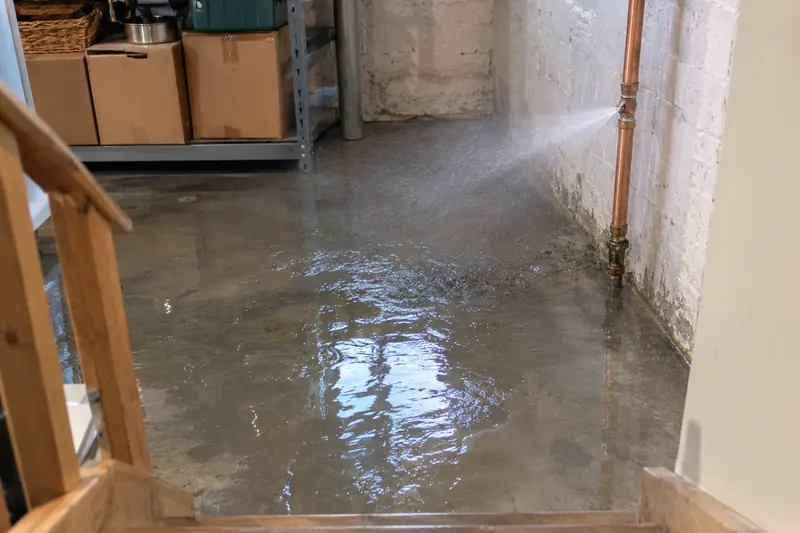
Figure 29.1 shows the kind of scene we mean. Clear water on concrete looks harmless, and it can still be carrying current from something you cannot see.
29.2 What do you do, in order?
Assuming you can reach the valve from safe footing, this is the order.
- Close the main shutoff, fully.
- Deal with the water heater according to its fuel. On an electric heater, switch off its breaker once the main is shut, if you can reach it from a dry spot. On a gas heater, do nothing at the control, and ask the plumber about it when you call.
- Open a cold tap at the lowest point in the house to let the water left in the pipes run out. Open cold taps only.
- Photograph the damage before you move anything: the pipe, the room, and the wet belongings.
- Call a licensed plumber and describe the pipe and where it is.
- Call your insurance company.
The reason for step 2 is that the main no longer feeds the tank. If the break is on the hot side, the tank may empty, and an electric element with power on and no water around it will burn out. Leave that breaker off until the repair is done, the tank is full again, and air has stopped coming from a hot tap, as in Chapter 25. On a gas heater the book gives no steps. Tell the plumber the fuel and what you see, and do as they say.
29.3 What should you photograph, and why before cleaning?
Insurance is a paperwork exercise, and it runs on evidence. The Texas Department of Insurance says that if possible you should take pictures or videos of the damage before making repairs, and not throw away damaged items until the adjuster has seen them.3 It also says to tell your company as soon as possible, to keep a list of damaged property, and to hold off on permanent repairs until the insurer has seen the damage. Temporary repairs are fine, and you should keep the receipts.3 That is one state's regulator, and yours may word it differently. Your own policy governs. Still, the habit is sound anywhere.
Take wide shots and close ones. Get the split in the pipe if you can see it from a safe place. Photograph furniture, flooring and walls, and keep the cut piece of pipe if the plumber removes it.
29.4 What can you do while you wait?
Once the water is off and the floor is safe, you can start drying. The same regulator says to dry the area as soon as you can, since mold can start growing within a day after a leak.3 Move what can be moved. Mop or wet-vacuum the water. Open the doors of cabinets so air can reach inside. Fans may help if their cords and outlets are nowhere near the water.
Do not switch power back on to a circuit that got wet until someone qualified has looked at it. Wet panels, outlets and appliances are an electrician's question. If water has come through a ceiling, stay out from under the sagging part, and keep clear of the light fixtures.
Then give the plumber what is useful: where the break is, what the pipe looks like, how old the house is, and the type of water heater. Chapter 39 covers how to choose someone even when you are in a hurry. Emergency or not, a licensed and insured plumber is worth confirming.
29.5 Why did it burst, and could it happen again?
Freezing is the classic cause. Water expands as it freezes, and that can burst a pipe.1 The leak often shows only when the ice melts and the pressure comes back. Chapter 30 covers how to prevent it. Other breaks come from corrosion, an old fitting or high pressure, and the plumber should tell you which one it was. Ask directly: was this pipe alone, or is the rest of the run in the same shape? If the pressure may be high, test it as in Chapter 7 once the repair is done.
A quick way back to this chapter in a hurry is the problem index. Better still, spend ten minutes this week finding the valve and telling your household.
Where the line falls
- Yours to do
- Closing the main shutoff from safe footing; a breaker from a dry spot; opening a low cold tap; photographs and a list for the insurer; drying what is safe to reach
- For a licensed pro
- Repairing the broken pipe; checking anything electrical that got wet; a gas heater's control after a flood; repairs inside walls and ceilings; drying out a badly soaked structure
Notes
- Kentucky Division of Water, "Prevent Pipes From Freezing" (June 2024). eec.ky.gov ↩
- Ready.gov, U.S. Department of Homeland Security, "Floods." ready.gov ↩
- Texas Department of Insurance, "When are water damage and mold covered by insurance?" tdi.texas.gov ↩